
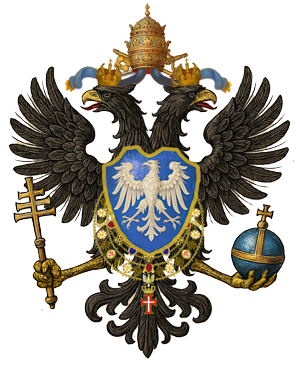
The following is a summary of forms of address and protocol in the Church.
| Grade | Interntional English Style and Form of Address | Italiano | Русский |
| Male members of religious orders | Brother (Br.) Spoken Style: Brother (followed by religious name) | Fra' Trattamento parlato: Fra' Brother + nome religioso | Брат |
| Female members of religious orders | Sister (Sr.) Spoken Style: Sister (followed by religious name) | Suor (Sr.) Trattamento parlato: Suor + nome religioso | Сестра |
| Clergy of all grades (below priest) | Reverend Dom (Rev. Dom) Spoken Style: Dom (followed by first name) | Reverendo Dom (o Don) (Rev. Don) Trattamento parlato: Don + nome | Ваше Боголю́бие Deacons: Ваше благовестие |
| Priests | Reverend Father Dom Name (Rev. Fr. Dom Name) Spoken Style: Reverend Father or Father or Dom (followed by first name) | Reverendo Padre Don (Rev. P. Don Name) Trattamento parlato: Reverendo Padre or Padre or Don + nome | Ваше благословение Отец |
| Abbots and Archabbots | The Right Reverend Abbot (or Archabbot) Rt. Rev. Ab. (or Aab.) Spoken Style: Abbot (or Archabbot) | Reverendissimo Abate (o Arciabate) Trattamento parlato: Abate (o Arciabate) | Ваше высокоблагословение Аббат (Архаббот) |
| Honourary Chaplains of the Pontifical Court | Reverend Monsignor Rev. Msgr. (or Mgr.) Spoken Style: Monsignor | Reverendo Monsignor Trattamento parlato: Monsignor | Ваше высокоблагословение |
| Pontifical Chamberlains | Very Reverend Monsignor Very Rev. Msgr. Spoken Style: Monsignor | Molto Reverendo Monsignor Trattamento parlato: Monsignore | Ваше высокоблагословение |
| Canons of the Patriarchal Chapter | His Excellency the Very Reverend Monsignor H.E. the Very Rev. Msgr. Spoken Style: Your Excellency or Monsignor | Sua Eccellenza il Molto Reverendo Monsignor Trattamento parlato: Sua Eccellenza o Monsignore | Ваше высокопреподобие |
| Honourary Deans of the Patriarchal Chapter | His Excellency the Very Reverend Monsignor H.E. the Very Rev. Msgr. Spoken Style: Your Excellency | Sua Eccellenza il Molto Reverendo Monsignor Trattamento parlato: Sua Eccellenza o Monsignore | Ваше высокопреподобие |
| First Archdeacon of the Apostolic See | His Excellency the Very Reverend and Venerable Monsignor H.E. the Very Rev. and Ven. Msgr. Spoken Style: Your Excellency | Sua Eccellenza il Molto Reverendo e Venerabile Monsignor Trattamento parlato: Sua Eccellenza o Monsignore | Ваше высокопреподобие |
| Colonels and (naval) Captains and higher ranks of the Pontifical Walsingham Guard | His/Her Excellency (Rank + Name) H.E. (Rank + Name) Spoken Style: Your Excellency or Rank + Name | Sua Eccellenza + Grado Trattamento parlato: Sua Eccellenza o Grado + Nome | Ваше превосходительство |
| Noble Companions and Serving Companions of the Noble Company of St. Mary of Walsingham | The Honourable + Name (unless entitled to a higher title/style) | Onorevole + Nome Trattamento parlato: Signor(a) + Nome | Ваше благородие |
| Knights of the Pontifical Imperial State | Chevalier (Name) Holders of the Grand Cross of an order, as well as Knights of Honour of Sts. Anne and Alexander Nevsky and Knights of Sts. George and Olga, are entitled to the style of His Exellency. (Note that the Knights Bachelor of Yugoslavia instead use the style of Sir with either the full name or the Christian name only.) | Cavaliere (Nome) I titolari della Gran Croce di un ordine, nonché i Cavalieri d'Onore dei SS. Anna e Aleksandr Nevskij e i Cavalieri dei SS. George e Olga, hanno diritto allo stile di Sua Eccellenza. (Nota che i Cavalieri Scapoli della Jugoslavia usano invece lo stile di Sir con il nome completo o solo con il nome di battesimo.) | Ваше благородие Рыцарь Кавалеры Большого креста ордена, а также кавалеры ордена Святой Анны и Александра Невского и кавалеры ордена Святых Георгия и Ольги имеют право на титул Его Превосходительства. |
| Dames of the Pontifical Imperial State | Dame (Name) Holders of the Grand Cross of an order, as well as Dames of Honour of Sts. Anne and Alexander Nevsky and Dames of Sts. George and Olga, are entitled to the style of Her Exellency. | Dama + Nome I titolari della Gran Croce di un ordine, nonché le Dame d'Onore dei SS. Anna e Aleksandr Nevskij e Dame dei SS. George e Olga, hanno diritto allo stile di Sua Eccellenza. | Ваше благородие Дама Кавалеры Большого креста ордена, а также почетные дамы святых Анны и Александра Невских и дамы святых Георгия и Ольги имеют право на титул Её Превосходительства. |
| Untitled Nobles | The Honourable + Name | Onorevole + Nome o N.H. (o N.D.) + Nome | Ваше благородие |
| Nobles in Service at the Patriarchal Throne | His/Her Excellency H.E. Spoken Style: Your Excellency If they hold a title of Baron or above, as well as any other rank, it is also used. | Sua Eccellenza Se detengono il titolo di Barone o superiore, così come qualsiasi altro grado, viene utilizzato anche questo. | Ваше превосходительство |
| Nobility of the Pontifical Imperial State (Baron, Viscount, Count, Count Palatine, Marquis, noble Duke) | His/Her Excellency (Title (e.g., Count) + Name, followed by territorial name, if any) H.E. (Title + Name, followed by territorial name, if any) Alternatively: H.E. the (Title + Surname) or H.E. the (Title) of (territorial) Spoken Style: Your Excellency or Title + Name/territorial | Sua Eccellenza (Titolo (e.g., Conte) + Nome, seguito dall'eventuale nome territoriale) In alternativa: S.E. il (Titolo + Cognome) o S.E. il (Titolo) di (territoriale) Trattamento parlato: Eccellenza o Titolo + Nome/territoriale | Ваше превосходительство Благородный герцог: Ваше высокопревосходительство |
| Princely Count | His/Her Illustrious Highness Count + Name, followed by territorial name, if any) H.Ill.H. Count + Name, followed by territorial name, if any Alternatively: H.Ill.H. the (Title + Surname) or H.Ill.H. the Count of (territorial) Spoken Style: Your Illustrious Highness (or Your Highness) or Count + Name/territorial | Sua Altezza Illustrissima Conte + Nome, seguito dall'eventuale nome territoriale) In alternativa: S.A.Ill. il Conte + Cognome o S.A.Ill. il Conte di (territoriale) Trattamento parlato: Altezza Illustrissima o Altezza o Conte + Nome/territoriale | Ваше Прославленное Высочество Граф Ваше Высочество Граф |
| Princes of the Pontifical Imperial State | His/Her Serene Highness Prince/Princess (First Name, followed by territorial name, if any, or else family name ) H.S.H. Prince/Princess (First Name, + territorial name, if any, or else family name ) Alternatively: H.S.H. the Prince/Princess (Surname) or H.S.H. the Prince/Princess of (territorial) Spoken Style: Your Serene Highess or Your Highness (Note: In the case of designated royal princes/princesses, the style is Royal Highness (H.R.H.). Certain princes also by custom have specific styles, such as Grand Ducal Highness (H.G.D.H.) and Royal and Serene Highness (H.R.S.H.) | Sua Altezza Serenissima il/la Principe/Principessa (Nome, seguito dal nome territoriale, oppure cognome) S.A.S. Principe/Principessa (Nome, + nome territoriale, se presente, oppure cognome) In alternativa: S.A.S. il Principe/Principessa (Cognome) o S.A.S. il/la Principe/Principessa di (territoriale) Trattamento parlato: Vostra Altezza Serenissima o Vostra Altezza (Nota: nel caso di principi/principesse reali designati, lo stile è Altezza Reale (S.A.R.). Anche alcuni principi hanno per consuetudine stili specifici, come Altezza Granducale (S.A.GD.) e Altezza Reale e Serenissima (S.A.R.S.)) | Ваше Светлейшее Высочество, Ваше королевское высочество, Ваше Великое Герцогское Высочество, Ваше Королевское и Светлейшее Высочество |
| Prelates del Fiocchetto | His Excellency the Very Reverend Monsignor H.E. the Very Rev. Msgr. Spoken Style: Your Excellency | Sua Eccellenza il Molto Reverendo Monsignor Trattamento parlato: Sua Eccellenza o Monsignore | Ваше высокопреподобие |
| Pontifical Electors (non-Bishop) | His Excellency the Very Reverend Monsignor H.E. the Very Rev. Msgr. Spoken Style: Your Excellency | Sua Eccellenza il Molto Reverendo Monsignor Trattamento parlato: Sua Eccellenza o Monsignore | Ваше высокопреподобие |
| Bishops | His Grace (or His Excellency) the Right Reverend Monsignor H.G. (or H.E.) the Rt. Rev. Msgr. (Capitular Bishops of the Patriarchal Chapter always use the style of Excellency.) Spoken Style: Your Grace or Your Excellency Conclusion of correspondence: Kissing the Sacred Ring, I have the honor to remain Your Grace's (or Your Excellency's) most humble servant; Reverence of Office: The faithful and regular clergy should stand when a bishop enters the room and remain standing until invited to sit. Men must remove their hats in his presence. Kneel on the left knee and kiss ring as sign of respect for his office. One may ask for and receive a blessing. If kneeling would be awkward or impossible, bow at the waist and kiss his ring. Reverential gestures should be repeated when leaving his presence. Note: In the case of a Bishop entitled to the style of any form of Highness, the form used is Highness rather than Grace or Excellency. | Sua Grazia (o Sua Eccellenza) il Reverendissimo Monsignor Trattamento parlato: Sua Grazia (o Sua Eccellenza) o Monsignore (I Vescovi capitolari del Capitolo patriarcale usano sempre lo stile di Eccellenza.) Conclusione della corrispondenza: Baciando il Sacro Anello, ho l'onore di rimanere il più umile servitore di Vostra Grazia (o di Vostra Eccellenza); Rispetto dell'ufficio: i fedeli e il clero regolare dovrebbero alzarsi quando un vescovo entra nella stanza e rimanere in piedi finché non vengono invitati a sedersi. Gli uomini devono togliersi il cappello in sua presenza. Inginocchiarsi sul ginocchio sinistro e baciare l'anello in segno di rispetto per il suo ufficio. Si può chiedere e ricevere una benedizione. Se inginocchiarsi fosse imbarazzante o impossibile, inchinati in vita e bacia il suo anello. I gesti reverenziali dovrebbero essere ripetuti quando si lascia la sua presenza. | Ваше преосвященство |
| Archbishops | His Grace (or His Excellency) the Most Reverend Monsignor H.G. (or H.E.) the Most Rev. Msgr. (Capitular Archbishops of the Patriarchal Chapter always use the style of Excellency.) Spoken Style: Your Grace or Your Excellency Conclusion of correspondence: (As for a bishop.) Reverence of Office: (As for a bishop.) | Come per un vescovo. | Ваше преосвященство Митрополит: Ваше высокопреосвященство |
| Patriarchs | His Beatitude the Most Reverend Monsignor H.B. the Most Rev. Msgr. Spoken Style: Your Beatitude Conclusion of correspondence: Kissing the Sacred Ring, I have the honor to remain Your Beatitude's most humble servant; Reverence of Office: (As for a bishop.) | Come per un vescovo. Ma, il trattamento è Sua Beatitudine. | Ваше блаженство |
| Prince-Archbishop Electors | His Most Eminent Imperial and Royal Highness the Most Reverend Grand Duke H.M.E.I.R.H. Gr.D. Spoken Style: Your Most Eminent Imperial and Royal Highness, or Your Imperial and Royal Highness, or Your Eminence Conclusion of correspondence: Kissing the Sacred Ring, I have the honor to remain Your Eminence's (or Your Most Eminent Imperiale & Royal Highness's) most humble servant; Reverence of Office: (As for a bishop.) | Sua Altezza Imperiale e Reale Eminentissima il Reverendissimo Granduca S.I.R.H.Em. Gr.D. Trattamento parlato: Vostra Altezza Imperiale e Reale, oppure Vostra Altezza Imperiale e Reale Eminentissima, oppure Vostra Eminenza Conclusione della corrispondenza: Baciando il Sacro Anello, ho l'onore di restare il più umile servitore di Vostra Eminenza (or Vostra Altezza Imperiale e Reale Eminentissima); Riverenza dell'Ufficio: (Per quanto riguarda un vescovo.) | Ваше высокопреосвященство и Императорское и Королевское Высочество Великий князь Ваше высокопреосвященство Великий князь |
| Cardinals | His Eminence the Most Reverend Given Names Cardinal Surname H.Em. the Most Rev. Given Names Card. Surname Spoken Style: Your Eminence Conclusion of correspondence: Kissing the Sacred Purple, I have the honor to remain Your Eminence's most humble and obedient servant; Reverence of Office: (As for a bishop.) Note: In the case of a Cardinal entitled to the style of any form of Highness, the form used is equivalent to that given for Prince-Archbishop Electors above. | Sua Eminenza Reverendissima Nomi Cardinale Cognome Trattamento parlato: Vostra Eminenza Conclusione della corrispondenza: Baciando la Sacra Porpora, ho l'onore di restare il servitore più umile ed obbediente di Vostra Eminenza; Riverenza dell'Ufficio: (Per quanto riguarda un vescovo.) | Ваше высокопреосвященство Кардинал |
| Members of the Pontifical and Imperial Household | His(or Her) Pontifical and Imperial Highness Grand Duke/Duchess H.P.I.H. Gr.D. Spoken Style: Your (Pontifical and Imperial) Highness Conclusion of correspondence (if not a bishop or cardinal): I have the honor to remain, Sir (or Madame) Your Pontifical and Imperial Highness's most humble and obedient servant; Conclusion of correspondence (if a bishop or cardinal): (As given for a bishop or Cardinal.) Reverence of Office (if a bishop or cardinal): (As for a bishop.) | Sua Altezza Pontificia e Imperiale Granduca/Duchessa S.A.P.I. Gr.D. Trattamento parlato: Vostra Altezza (Pontificia e Imperiale). Conclusione della corrispondenza (se non vescovo o cardinale): ho l'onore di rimanere, Signore (o Signora), il servitore più umile e obbediente di Vostra Altezza Pontificia e Imperiale; Conclusione della corrispondenza (se vescovo o cardinale): (Come dato per un vescovo o cardinale.) Riverenza dell'Ufficio (se vescovo o cardinale): (Come per un vescovo.) | Ваше Папское и Императорское Высочество Великий Князь (или Великая Княгиня) |
| Apostolic Princess (Consort) of Rome-Ruthenia | Her Apostolic Highness Princess H.A.H. Princess Spoken Style: Your (Apostolic) Highness Conclusion of correspondence (if not a bishop or cardinal): I have the honor to remain, Madame, Your Apostolic Highness's most humble and obedient servant; | Sua Altezza Apostolica Principessa S.A.A. Principessa Trattamento parlato: Vostra Altezza (Apostolica) Conclusione della corrispondenza (se non vescovo o cardinale): ho l'onore di rimanere, Signora, il servitore più umile e obbediente di Vostra Altezza Apostolica; | Ваше Апостольское Высочество Княгиня |
| Roman-Ruthenian Pope See also this page on the papal title. See also this page on the full style and titles. | General Style: H.A.H. the Most Holy (or H.A.H. or His Holiness) Pope N. of Rome-Ruthenia Formal: His Apostolic Highness the Most Holy Pope N. of Rome-Ruthenia (or Prince-Bishop of Rome-Ruthenia) H.A.H. Pope N. of Rome-Ruthenia (or Prince-Bishop of Rome-Ruthenia) Spoken Style: Your Apostolic Highness or Your Holiness (note that by protocol, the shorter Highness by itself is not used, but instead Holiness) Conclusion of correspondence: Kissing the Sacred Foot, I have the honour to remain Your Apostolic Highness's most humble and devoted servant, Reverence of Office: Most formally, the faithful and clergy should kneel on the left knee, bow, and touch the right foot of the Supreme Pontiff with the right hand. Less formally, the standard kiss of the ring as a sign of respect for the office is acceptable. If kneeling cannot be done, then bow. One may ask for and receive a blessing. Stand when he enters the room and remain standing until invited to sit. Men must remove their hats in his presence. Reverential gestures should be repeated when leaving his presence. | Trattamento generale: S.A.A. il Santissimo (o S.A.A. o Sua Santità) Papa N. di Roma-Rutenia. Formale: Sua Altezza Apostolica il Santissimo Papa N. di Roma-Rutenia (o Principe-Vescovo di Roma-Rutenia) S.A.A. (Principe-)Vescovo N. di Roma-Rutenia (o Principe-Vescovo di Roma-Rutenia) Trattamento parlato: Vostra Altezza Apostolica or Sua Santità (nota che la forma corta di altezza non è corretta, ma invece Santità) Conclusione della corri Conclusione della corrispondenza: Baciando il Sacro Piede, ho l'onore di rimanere il servitore più umile e devoto di Vostra Altezza Apostolica, Riverenza dell'Ufficio: più formalmente, i fedeli e il clero dovrebbero inginocchiarsi sul ginocchio sinistro, inchinarsi e toccare il piede destro del Sommo Pontefice con la mano destra. Meno formalmente, è accettabile il classico bacio dell'anello in segno di rispetto per la carica. Se non è possibile inginocchiarsi, inchinarsi. Si può chiedere e ricevere una benedizione. Alzati quando entra nella stanza e resta in piedi finché non viene invitato a sedersi. Gli uomini devono togliersi il cappello in sua presenza. I gesti reverenziali dovrebbero essere ripetuti quando si lascia la sua presenza. | Ваше Святейшество Папа N. Рима-Руси (или Папа Римско-Русский) Ваше Апостольское Высочество Святейший Папа N. Римско-Русский (или Князь-Епископ Римско-Русский) Ваше Апостольское Высочество Ваше Святейшество |
CLERGY WITH NOBLE TITLES
Clergy who hold a title of nobility of the rank of Baron or higher use that title in place of "Dom" or "Monsignor" or other religious styles (except for those of religious orders. Clergy who are members of the immediate household of the Bishop-Imperator or who are honourary (electoral members) use the style of Grand Duke in place of "Dom" or "Monsignor" as given in the preceding for clergy in general. In the case of Cardinals, however, Cardinal is place preceding the noble title and informally may be used alone interchangably with the noble title.RELATIVE RANKS
Ranks are in four broad categories: clerical, noble, military, and civil. When an individual holds ranks in more than one category, the one in the highest category takes precedence, i.e., military takes precedence over civil, noble takes precedence over both military and civil, and clerical takes precedence over everything. This does not, however, preclude an individual from using ranks simultaneously from more than one category. For example, a cardinal who is a baron and a colonel, following this principle would be styled as: His Eminence Baron N. The rank of colonel could be added as well.
Holders of doctorates who hold higher titles may still use the title of Doctor. This is appended following clerical, noble, and military ranks. If a novel title is placed instead after the name, then Doctor may precede the name immediately.
Four equivalent
military ranks, the naval is above land, followed by air in the naval
settings; the land rank is above naval, followed by air in land
settings; and the air rank is above naval, followed by land in the air
settings.
Spouses
and children of titled nobles of the rank of Baron and above use the
same rank as the head of household. However, the full title is never
appended after the name by the children as it would be for the
principal titleholder. (The exception to this is certain specific
titles that constitute ranks themselves, such as Prince of the
Pontifical Imperial State.) For example, a Count (the actual
titleholder) could be styled His Excellency Count N. of NN., or His
Excellency N., Count of NN. His wife could be styled Her Excellency
Countess N. of NN., or Her Excellency N., Countess of NN. The children,
however, could only be styled His/Her Excellency Count(ess) N. of NN.
In
some cases a child (frequently, if used, it is the heir) is allowed to
use a lesser title of the principal titleholder. In such cases, they
use it in the same manner as a principal titleholder.
Wives of Knights, if they do not hold a another title themselves, are styled Lady + Name.
Wives of clergy are entitled to the style of Dame. If their husband is entitled to the style of Excellency or Eminence, it is likewise used by the wife (however, in the Russian forms of the titles, which are only appropriate for clergy, the wives use the style of Excellency and High Excellency respectively as given for noble and civil individuals. However, wives of clergy who hold a title of nobility, either in their own right or by right of their husband, use their noble title rather than "Dame."
Spouses
of others within the table of precedence do not have specific styles or
titles assigned and therefore simply use the standard courtesy title to
which they are generally entitled in society.
Wives of all
individuals contained within the table of precidence rank equal to
their husbands unless they hold a higher individual rank. This applies
even if the rank does not have a specific female equivalent for the
spouse. For example, the wife of a Baron ranks equivalent to her
husband and is also entitled to the title of Baroness; and the wife of
a Colonel likewise ranks equivalent to her husband, but does not have a
female equivalent of her husband's rank.