
Ecclesiastical Dynastic House
Our Legacy
A living Roman and Old Russian inheritance joining ecclesiastical service, dynastic continuity, cultural stewardship, and philanthropy.
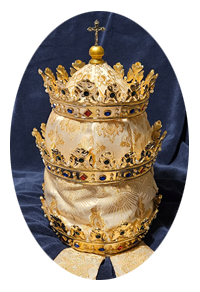

Identity and Continuity
About the Pontifical and Imperial House
The Pontifical and Imperial House of Johnson-Roma-Rus’ represents a living legacy bridging past and present. As custodian of an ancient inheritance, the House upholds the spiritual and cultural values of the United Roman-Ruthenian Church and Pontifical Imperial State of Rome-Ruthenia.
This ecclesiastical monarchy combines hereditary and elective traditions. It continues as a sign of unity, spirituality, cultural preservation, philanthropy, and service. Its historic standing is reflected in its relations with ecclesiastical institutions and other dynastic houses in different parts of the world.
The House’s heritage is Roman and Russian, with significant ties to the British Isles, North America, and the Caribbean. Its purpose is to preserve these inheritances while promoting harmony, compassion, and understanding among people of different backgrounds.
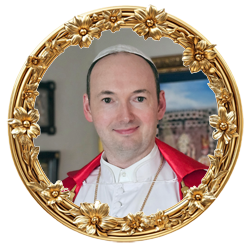


The meaning of the House’s titles
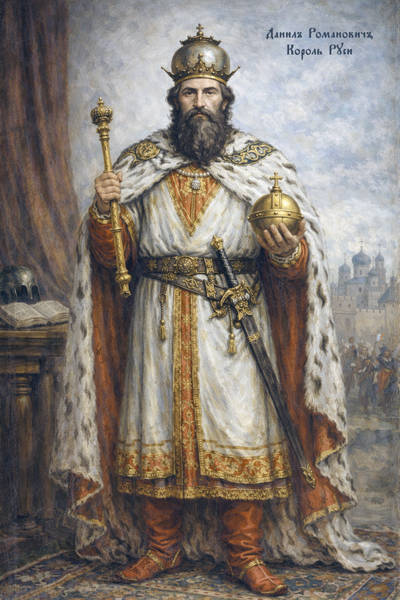
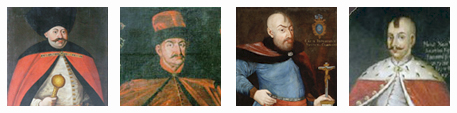
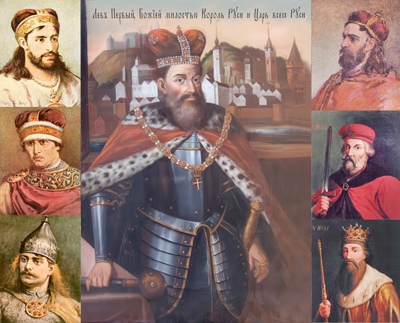
The title Pontifical refers to the Bishop of Rome-Ruthenia as Supreme Pontiff within the United Roman-Ruthenian Church. Imperial reflects the House’s historical ties to the Roman Empire, the Kingdom of Ruthenia, and the Imperial Kingdom of Italy. The House traces dynastic descent through the Rurikovich and Romanovich lines of Rus’ and the Ivrea dynasty associated with the Imperial Kingdom of Italy. The fuller succession is documented on the Ancestors and Succession page.
The Roman-Ruthenian Church and State understands itself as a temporal successor within the patrimony transmitted through Rome and Russia and as an autocephalous Orthodox and Catholic ecclesial body. The Pontifical Imperial State is an ethno-religious cultural nation without political territory: a community and ecclesiastical sovereignty extending across many present-day civil states rather than seeking to govern any of them.
A transatlantic and multicultural inheritance
The House also possesses deep connections to the early history of North America. Its ancestry includes founding families of Massachusetts such as Warren, Winslow, Philipps, Prescott, and Lothropp, whose members contributed to the formation of early communities. These lines connect the House’s European inheritance to the Americas and the Caribbean.
Alongside its Roman, Russian, British, and North American lines are ancestral influences from Arabic, Turkic, Persian, South Caucasian, and Jewish cultures. Together they form a broad historical inheritance shaped by migration, marriage, faith, and service across centuries.
The Varangian and Old Russian background
Research into the direct paternal line points toward the Varyag or Varangian Norse world associated with Old Rus’. Norse adventurers and settlers became integrated with Slavic society and its ruling families, contributing to the formation of the early Rus’ state. The surviving evidence suggests a later westward movement through Byzantine, Turkic, and continental European lands, although the precise path cannot be reconstructed in every generation. The fuller historical and genetic discussion appears on the Dynastic Legacy page.
As with most ancient European houses, centuries of intermarriage connected the Johnson-Roma-Rus’ line with numerous dynasties. Through German ancestors, for example, the Head of the House is a fifth cousin of the present British King. Such relationships illustrate the interwoven character of European noble families, but the House’s standing rests upon its own ecclesiastical and imperial patrimony rather than upon collateral kinship.


The ecclesiastical title Bishop of Rome-Ruthenia expresses the Church’s connection to Latin traditions—including Roman and Anglican inheritances—and to Eastern traditions including Byzantine, Russian, and Syrian Christianity. Their convergence brings together diverse liturgical practices, customs, and institutions within an Orthodox and Catholic ecclesial life.
The significance of the Pontifical and Imperial family extends beyond ceremonial representation. Its members undertake spiritual, diplomatic, cultural, and charitable responsibilities and seek to serve as ambassadors of Christian compassion and unity. The Household also preserves historic texts, artifacts, artwork, and living traditions of the United Roman-Ruthenian Church.
This work includes ecumenical and interfaith dialogue. Through informed respect and open exchange, the House seeks to build relationships across cultural and religious boundaries without obscuring the particular identity and faith entrusted to its care.

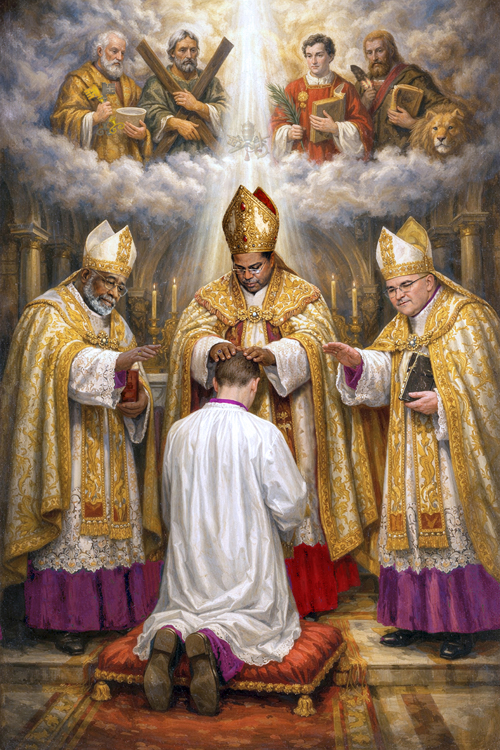
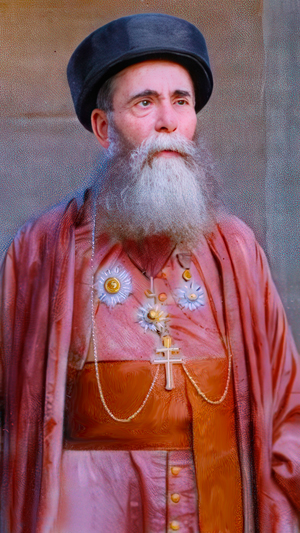
Patriarchal Continuity
Apostolic succession and pastoral responsibility
Ecclesiastical succession connects the Roman-Ruthenian Church with the historic patriarchates of Moscow, Babylon, and America. This continuity is expressed not merely through historical lines, but through sacramental life, apostolic succession, liturgy, teaching, and the pastoral responsibilities of the present Church.
In keeping with its commitment to service, the Pontifical Imperial family supports work in education, healthcare, food security, social welfare, cultural preservation, and related fields. Members of the Household seek to lead by example, applying inherited responsibility to practical needs rather than treating it as a matter of display.
In a world frequently divided by conflict and inequality, modest and well-directed acts of kindness can create lasting good. The House therefore understands philanthropy as an extension of Christian responsibility, careful stewardship, and service to communities.
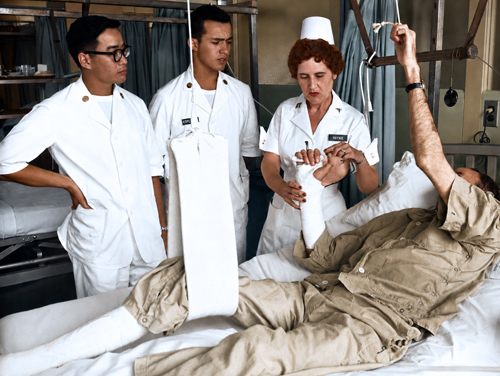

Historical Reach
Modern civil states with ancient heritage perpetuated by the Roman-Ruthenian Church and State









Continue exploring
Documentary and legal context
The United Roman-Ruthenian Church and the Pontifical Imperial State of Rome-Ruthenia constitute an ecclesiastical sovereignty by right of Rome as heir to the Roman Empire and the Pontifical Kingdom of Ruthenia and All Rus’, with an independent government in special consultative status with the United Nations Economic and Social Council.
Crown, International, and United States Copyright © 2008–2026. All rights reserved. Legal, copyright, and trademark notices.